

Artificial Intelligence and Architecture: The Birth of a New Language?

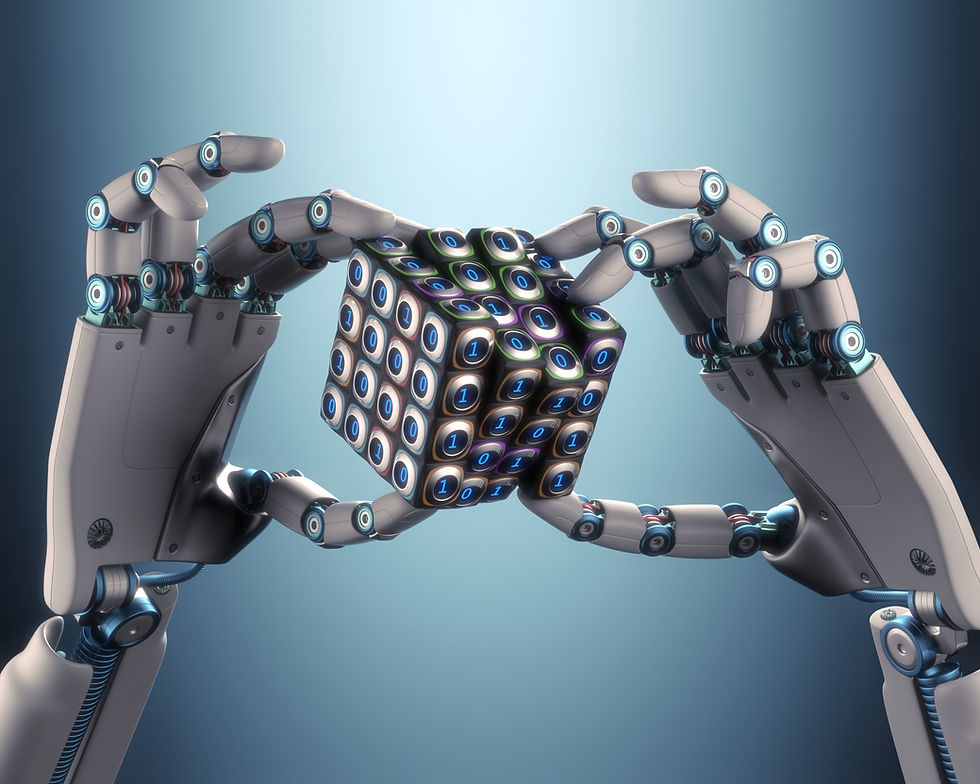
Redefining the Concept of Intelligence
Artificial intelligence (AI) is not merely a technological innovation; it represents a paradigm shift that redefines how we produce knowledge, express creativity, and construct meaning. Architecture, on the other hand, is one of humanity’s oldest intellectual and physical practices. So, what happens when these two realms intersect? If architecture is not only about shaping physical space but also about generating thought and producing a language—can AI become a part of this language?
Development: The Entry of AI into Architecture
Throughout history, every technological revolution in architecture has given rise to a new formal language and spatial understanding. From the invention of paper to CAD systems, from parametric design to BIM, this evolutionary trajectory now meets artificial intelligence. AI, especially through visual generation tools (like Midjourney, DALL·E), text-based scenario creation (ChatGPT, Claude), and even building system optimization (like Spacemaker), provides architects with new tools.
However, unlike previous tools, AI is not just a drawing assistant—it generates a way of thinking. Are AI-generated designs merely algorithmic outputs, or do they reflect a form of intelligence? Should architectural decisions prioritize the architect's intuition or data-driven optimization?
Do AI-generated suggestions expand the architect’s cognitive space or constrain it? Can an AI perceive cultural context? Can it understand collective memory when designing a mosque, a square, or a school?
Form Generation with Artificial Intelligence: A New Aesthetic?
AI’s capacity to generate parametric forms challenges conventional aesthetic perceptions. Organic forms, random patterns, and infinite variations become possible. But is aesthetics merely about form? Can an artificial mind construct the poetry, the experience, or the emotional resonance of a space?
Can the forms proposed by AI establish an emotional bond with users? Can the “spatial intuition” cultivated through years of architectural practice be replicated by an algorithmic model? Or is this intuition a uniquely human outcome of connecting with space?
Ethics, Responsibility, and Creativity
Using AI in design also raises serious ethical questions. Who is responsible for a failed building design? If AI replaces the architect in decision-making, how do we define legal and professional accountability?
Who owns the copyright of an AI-generated design? Do these systems, operating solely on past data, doom us to repetition? Instead of creating the new, do they merely remix the old?
And most importantly—can creativity be learned? Or is it an ability unique to the human mind?
Is Architecture Transforming with a New Intelligence?
AI is not just transforming architectural tools; it’s prompting us to question the very nature of architecture—its thought processes, its ethics, its purpose. With AI, architecture may become faster, more optimized, and more cost-effective. But is that enough?
Isn't architecture about more than just producing buildings? Isn't it about constructing meaning, telling stories, building memory? Can AI truly read these deeper layers?
Are we on the threshold of a new architectural language? Or is this merely the same old conversation, spoken through a new tool?
And perhaps we are now left with the most fundamental questions:
Can artificial intelligence understand the language of space?
Can it sense the soul of a place?
Is it merely an assistant in the design process—or a creative agent?
Will the architect of the future be human, or will human-AI collaboration become the new norm?
And finally, will architecture one day be written in the language of algorithms?
What do you think? Share your thoughts in the comments—let’s think together.



Comments